Geometry Dash on Scratch: A Comprehensive Guide
📋 In this guide
Geometry Dash on Scratch is an engaging and educational way for students to explore the basics of geometry and programming. Scratch, a visual programming language developed by MIT, allows users to create interactive stories, games, and animations using block-based coding. Geometry Dash is a popular game where players navigate a square through a series of obstacles, requiring precision and timing. Combining the two, Geometry Dash on Scratch offers a platform where students can both play and learn by creating their own versions of the game.
Many students find challenges when attempting to create Geometry Dash on Scratch. The difficulty often arises from the need to understand both geometric principles and programming logic. Students must grasp concepts such as angles, shapes, and movement while also learning how to implement these concepts using Scratch's coding blocks. This dual focus on math and coding can be overwhelming, but with the right guidance, students can overcome these hurdles.
In this guide, we will explore the fundamentals of creating Geometry Dash on Scratch. You will learn how to design levels, code movements, and apply geometric concepts to ensure your game runs smoothly. By the end of this article, you will have a solid understanding of how to make Geometry Dash on Scratch and be equipped with the skills to tackle similar projects in the future.
Step-by-Step: How to Solve Geometry Dash On Scratch
Step 1: Setting Up the Scratch Environment
Begin by opening Scratch and creating a new project. Familiarize yourself with the Scratch interface, which includes the stage, sprite list, and coding area. Choose a sprite to represent the character in your game, typically a square or custom-designed sprite. Set the initial position of your sprite on the stage. This setup forms the foundation for your Geometry Dash on Scratch game.
Step 2: Designing the Game Level
Designing the level involves creating obstacles and platforms for your sprite to navigate. Use Scratch's drawing tools to create geometric shapes, such as rectangles and triangles, that will serve as barriers and pathways. Arrange these shapes on the stage to form a challenging route. Consider the angles and distances between obstacles to ensure your sprite can maneuver through the level successfully.
Step 3: Coding Sprite Movement
To make your sprite move, you will use Scratch's motion blocks. Start by coding the sprite to move forward continuously. Incorporate jump functionality by using a "when space key pressed" block to make the sprite jump over obstacles. Use the distance formula to calculate precise jump arcs, ensuring your sprite lands correctly on platforms or clears gaps.
Step 4: Implementing Collision Detection
Collision detection is crucial to prevent the sprite from passing through obstacles. Use Scratch's sensing blocks to check if your sprite is touching a specific color or object. If a collision occurs, program a response, such as ending the game or restarting the level. Fine-tune the collision detection to ensure it is accurate and responsive, providing a seamless gaming experience.
🤖 Stuck on a math problem?
Take a screenshot and let our AI solve it step-by-step in seconds
⚡ Try MathSolver Free →Worked Examples
Example 1
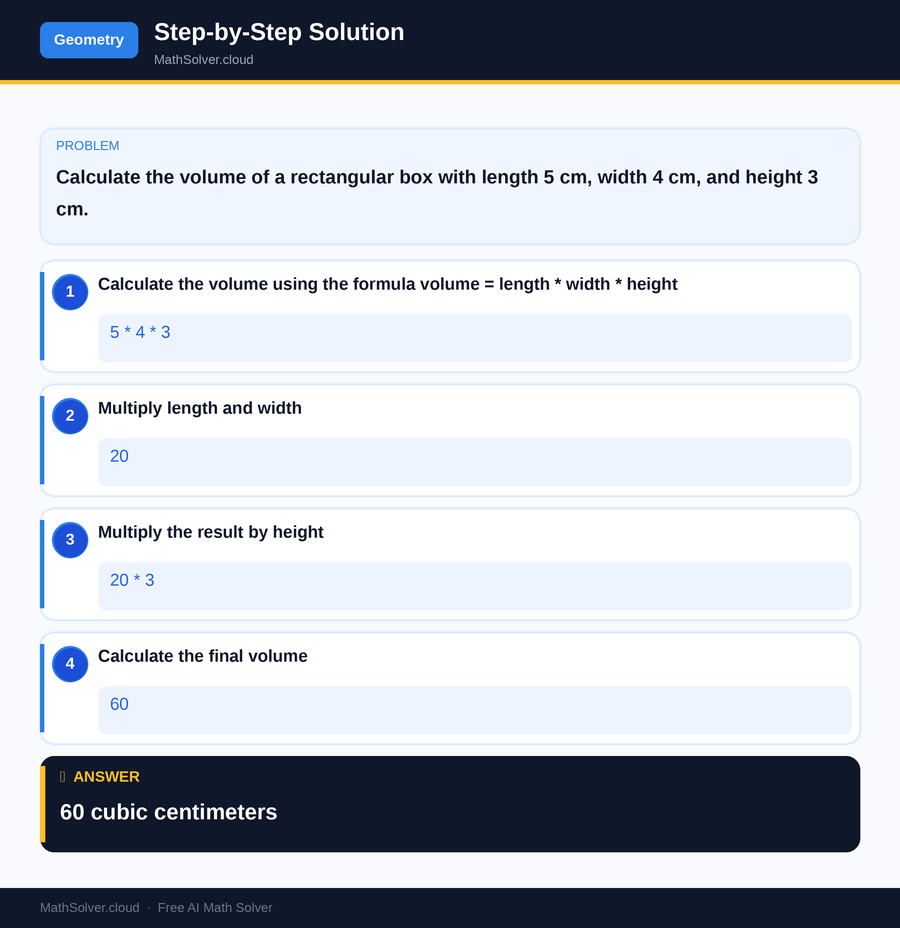
MathSolver Chrome extension solving this problem step-by-step
Example 2
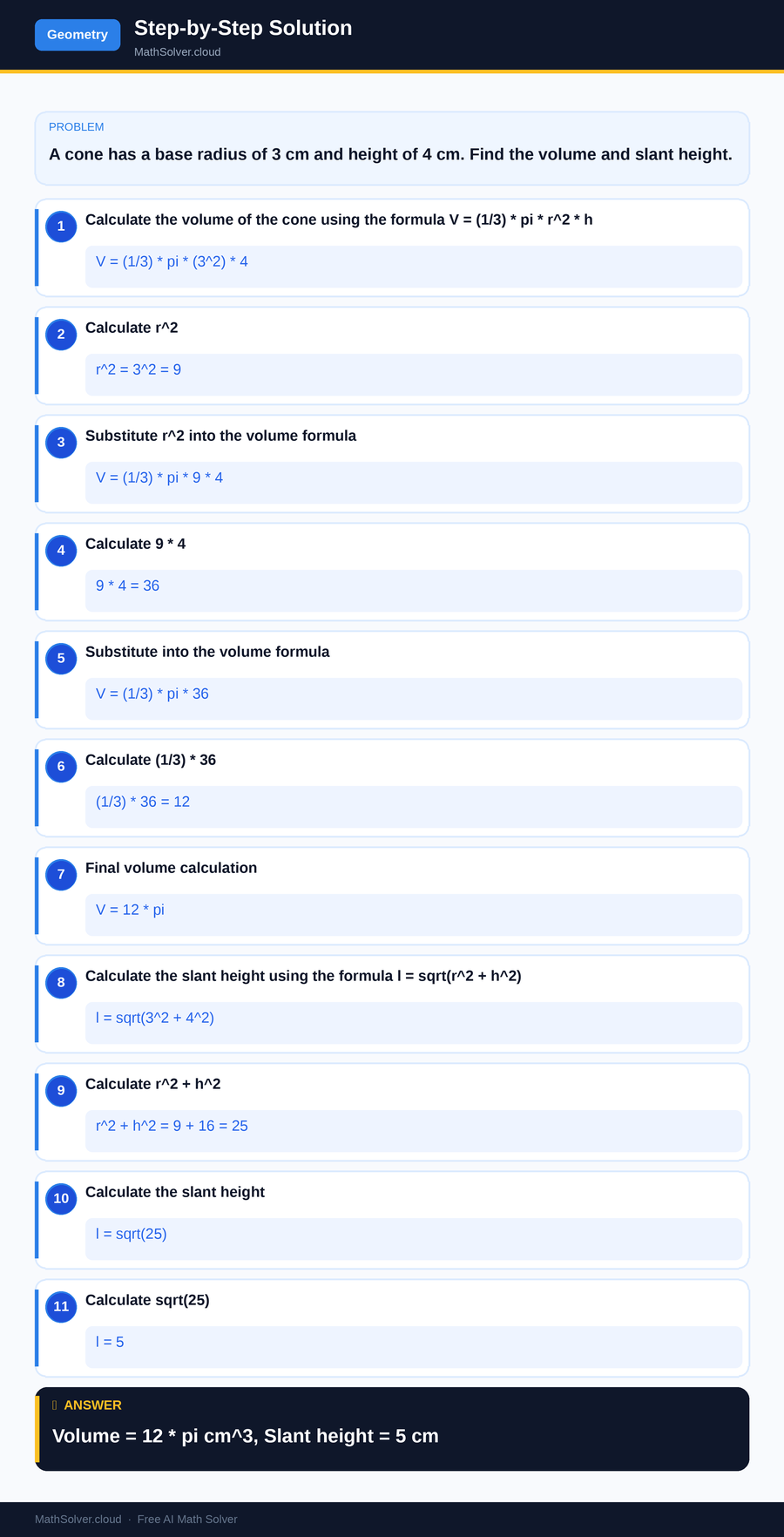
MathSolver Chrome extension solving this problem step-by-step
Common Mistakes to Avoid
One common mistake is neglecting to test the game thoroughly. Students often rush through the creation process without checking if the sprite can navigate the level successfully. To avoid this, test each section of your game as you build it, ensuring that all obstacles are passable and the sprite's movements are correct.
Another mistake is incorrect collision detection, which can lead to frustrating gameplay experiences. Ensure that your sensing blocks are precisely aligned with the sprite and obstacles. Adjust the sensitivity of the detection to avoid false positives or negatives, which could cause the game to end unexpectedly or allow the sprite to pass through barriers.
Real-World Applications
Geometry Dash on Scratch can be applied in educational settings to teach geometry and programming simultaneously. Teachers can use it as a hands-on project to engage students in learning geometric concepts and coding skills. By creating their own games, students gain a deeper understanding of the material.
Outside the classroom, Geometry Dash on Scratch provides a platform for creative expression. Hobbyists and aspiring game developers can use Scratch to prototype game ideas, experiment with level design, and refine their coding abilities. This practice can lead to skills applicable in professional game development and software engineering.
Frequently Asked Questions
❓ What is Geometry Dash on Scratch?
❓ How can I make my Geometry Dash game on Scratch more challenging?
❓ How can AI help with Geometry Dash on Scratch?
❓ Can I play Geometry Dash on Scratch games created by others?
❓ How do I start coding Geometry Dash on Scratch?
🚀 Solve any math problem instantly
2,000+ students use MathSolver every day — join them for free
📥 Add to Chrome — It's Free